December 2025
This 2025 Nigeria’s Health Sector Roundup by the Health Policy Research Group (HPRG) at the University of Nigeria, offers commendation, hope, and guidance as we head into 2026. We build on the 2023 and 2024 roundups, which emphasised: (a) strengthening health systems through the use of evidence, (b) pruning the informal health space, (c) fighting health corruption, (d) prioritising vulnerable groups and the poor, and (e) tackling inefficiencies that diminish the value of health investments.
Indeed, the Nigerian health authorities have achieved some progress in tackling these issues. Nevertheless, more focused and vigorous efforts remain crucial. To support these efforts, we highlight key advancements to reinforce and challenges to address in the upcoming year.

1. Use of evidence for health system strengthening in Nigeria is growing
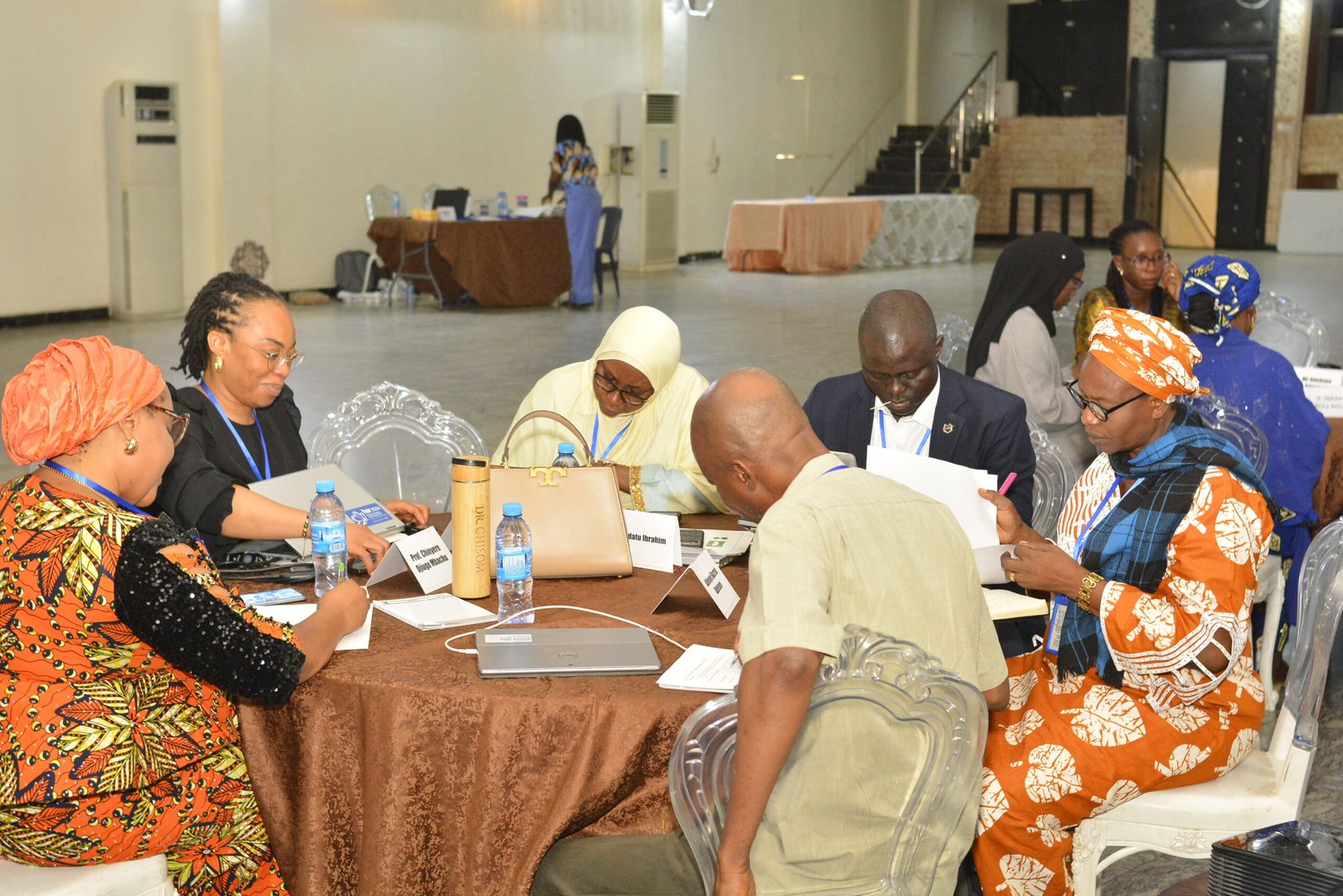
Evidence-informed policymaking in Nigeria’s health sector has gained considerable momentum. We commend the authorities for the Health Sector Strategic Blueprint (HSSB), which highlights evidence-based sector priorities. The practice of benchmarking Annual Operational Plans (AOPs) across Nigerian states using the HSSB’s priorities is praiseworthy. These are supported by the commendable regular Webinar Series on scientific discoveries and sector priorities, organised by the Department of Health, Planning, Research, and Statistics (DHPRS) at the Federal Ministry of Health/Social Welfare (FMoHSW).
We also acknowledge the scientific sessions at the 2025 Joint Annual Review (JAR) of health sector performance, which fostered lively evidence-based discussions. And we recognise that collaborations between health policymakers and researchers have continued to expand.
Despite the positive developments so far, we anticipate more deliberate use of evidence and sustained adoption of the above-mentioned good practices. We also await the published synopsis from the JAR scientific sessions and the continuation of the State of the Health of the Nation Report, which should include key scientific outputs from the country.

In 2025, HPRG, in collaboration with the FMoHSW, WHO, and the African Health Observatory Platform (AHOP), launched the Country Health Systems and Services Profile (CHSSP), highlighting Nigeria’s progress and challenges in health over several years. We desire that the CHSSP be sustained, offering an independent and expert assessment of the country’s health sector performance over a given period. Overall, it is commendable that Nigeria is developing a strong institutional appetite and commitment to embedding research in decision-making.
2. The space for informal health providers is expanding and highly promising
While the government recognises the risks associated with unregulated informal health providers (IHPs), such as traditional birth attendants (TBAs), patent medicine vendors (PMVs), bone setters, and herbalists, there is a consensus on the need for structured engagement rather than outright criticism. To demonstrate how this engagement can be carried out, the HPRG and the Enugu State Government are implementing an Urban Health intervention to address the concerns of IHPs in urban slums. The goal is to identify and effectively integrate IHPs into the formal health system.
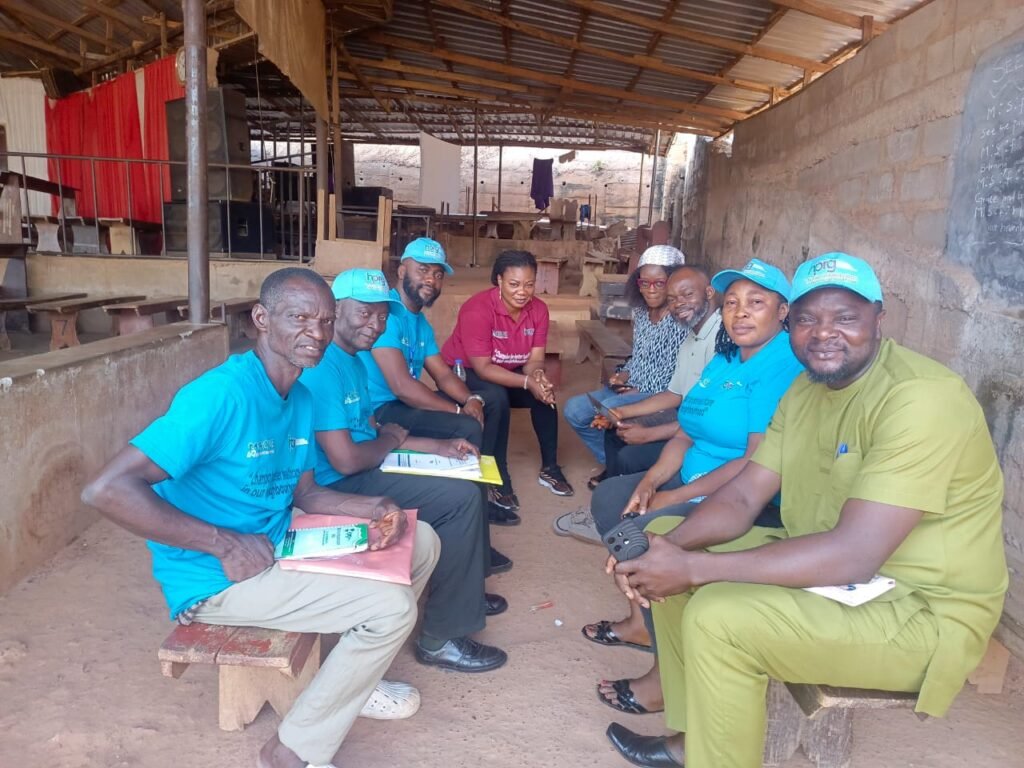
Emerging lessons from the intervention include: (a) widespread poverty reduces demand for formal healthcare, (b) government health facilities in deprived areas lack optimal infrastructure, equipment, staffing, affordable treatment, quality care, and security, (c) IHPs offer cultural, religious, and economic incentives to service users that build trust, (d) gaps exist between regulations for IHPs on paper and their actual enforcement, and (e) there is willingness among the IHPs to be integrated and supported by the formal health system.
The Basic Health Care Provision Fund (BHCPF) seeks to tackle many of these challenges. However, its widespread implementation often overlooks poor urban slums and rural areas, where IHPs are the dominant providers of care. Lessons from Enugu should be examined for possible national scaling.
3. There are signals for bold anti-corruption solutions in Nigeria’s health sector
It is commendable that the Minister for Health and Social Welfare, Prof. Mohammed Ali Pate, under President Bola Tinubu, included “accountability” as one of the pillars of the Health Sector Renewal Investment Initiative (HSRII). In July 2024, he explicitly recognised corruption in Nigeria’s health sector. He solidified this recognition by signing a Memorandum of Understanding (MoU) with the Independent Corrupt Practices and Other Related Offences Commission (ICPC) in March 2025. Then, in October 2025, the Minister issued the famous ‘Red Letter’, urging Nigerian citizens to remain vigilant and monitor BHCPF spending in primary health facilities.
We must also acknowledge the deployment of 774 National Health Fellows to Nigeria’s 774 local government areas. They serve as public financial and management officers (PFMOs) responsible for demanding accountability and transparency at the facility level. This aligns with our previous recommendation for decentralised anti-corruption measures.
However, to sustain the gains so far, our research over the past eight years on health corruption suggests: (a) adequate staff welfare packages across all levels of healthcare, (b) strengthening central drug outlets in states to regulate drug procurement effectively, (c) predictable monthly budgets for service delivery in health facilities, (d) designing and implementing a targeted anti-corruption and behavioural conduct policy, especially for primary healthcare, (e) ensuring the physical security of health facilities, and (f) accelerating digitalisation capacity at the sector’s frontline.
4. Slow-paced efforts to improve health outcomes for vulnerable groups
Although the government recognises that improving health outcomes for vulnerable groups, such as children under five, zero-dose children, pregnant women, school-aged children and adolescents, victims of human trafficking, urban slum residents, incarcerated individuals, internally displaced persons, the elderly, and the poor, should be a priority, efforts to give them unrestricted access to quality healthcare remain limited.
Nevertheless, we commend the actions taken by both the federal and state governments to expand financial protection through initiatives like the Vulnerable Group Fund (VGF) under the BHCPF and the State Health Insurance Schemes. We also appreciate the Maternal and Neonatal Mortality Reduction Innovation Initiative (MAMII), which aims to significantly reduce maternal and neonatal deaths in 172 high-burden LGAs across 33 Nigerian states. Additionally, initiatives such as the Integrated Health Services Initiative and the Comprehensive Emergency Obstetric and Neonatal Care (CEmONC) Programme are duly acknowledged.
However, the efforts mentioned above have yet to adopt a comprehensive, radical approach that guarantees unrestricted access to quality healthcare for vulnerable populations. This is mainly because these initiatives are not strongly aligned with the goal of system-wide improvements and lack due diligence in clearly identifying and assigning vulnerability status. Reaching vulnerable groups should be rooted in good governance and a sincere commitment to wellbeing, rather than politics and data aggregation.
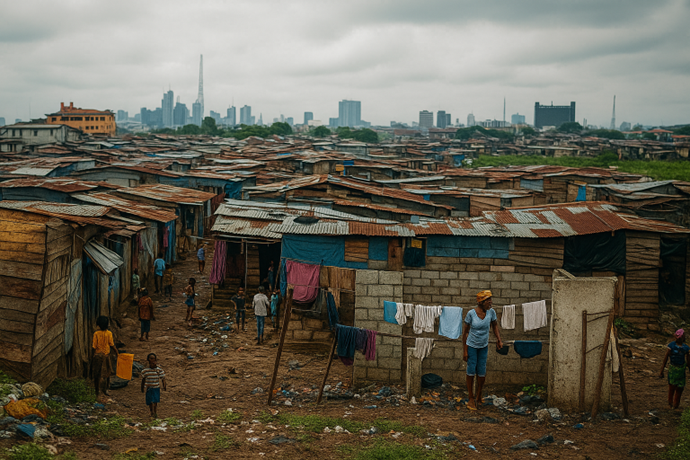
Our research shows Nigeria can turn things around by focusing on: (a) determining vulnerability status based on general vulnerable conditions (e.g., living with disabilities, living in an urban slum, unemployed, displaced, children in poverty, etc.), and allowing for community-level assessment to determine specific vulnerable status, (b) progressively replace contributory health insurance with tax-funded entitlements to cover at least primary care for the vulnerable (c) resolve complex operational supply issues at care delivery points, (d) expanding publicly accessible feedback and reporting systems between health facilities and responsive authorities (e) ensuring the gradual, mandatory provision of a basic minimum health services package as a right for vulnerable and underserved populations, (f) reforming school health services and linking schools with primary healthcare facilities, and (g) institutionalising multisectoral practices in community health.
5. Addressing system-wide inefficiencies undermining health investments still needs boosting and consolidation
Reports suggest Nigeria may have lost up to US$1 billion due to reductions in global health funding. These cuts have impacted various health interventions, including HIV/AIDS, malaria, tuberculosis, immunisation, maternal and child health, sexual and reproductive health, nutrition, laboratory services, health workforce, health technology, and research. Although Nigeria is not adequately addressing these funding gaps, the Sector-Wide Approach (SWAp) is making efforts to optimise available resources by fostering coordination among partners, donors, and subnational health actors.
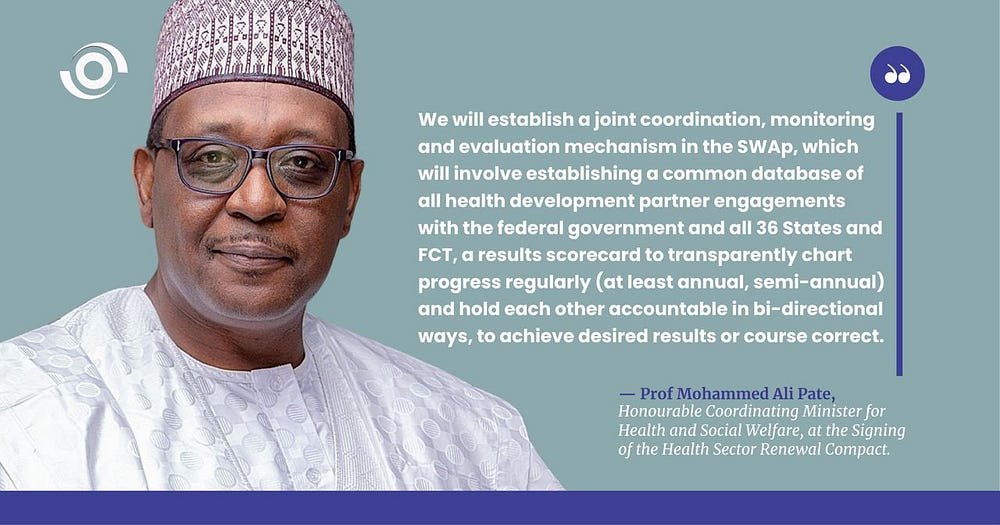
Through a united front focused on “one plan, one budget, one conversation, and one report,” SWAp is making notable progress by reducing duplication and fragmentation in health programmes, thereby enhancing the efficiency of health resources. Unfortunately, SWAp’s focus remains on aid, and its long-term sustainability is being debated. As a result, health sovereignty, as outlined in the Lusaka and Accra calls, may remain a distant goal. Nigeria continues to depend heavily on donors, even for vaccines.
Our research highlights several concerns that must be addressed, such as: (a) poor budgeting practices, where planned funds are often not disbursed on time or as expected, (b) insufficient use of costing and economic evaluations for health priorities, including initiatives like Health Technology Assessment (HTA) and localised quality-of-life metrics, (c) inconsistent publication of health accounts and unpublished AOPs, (d) weak prioritisation of health spending at the state and local levels, and (e) citizens rarely considering health services and outcomes as a critical yardstick for evaluating politicians during elections.
Conclusion
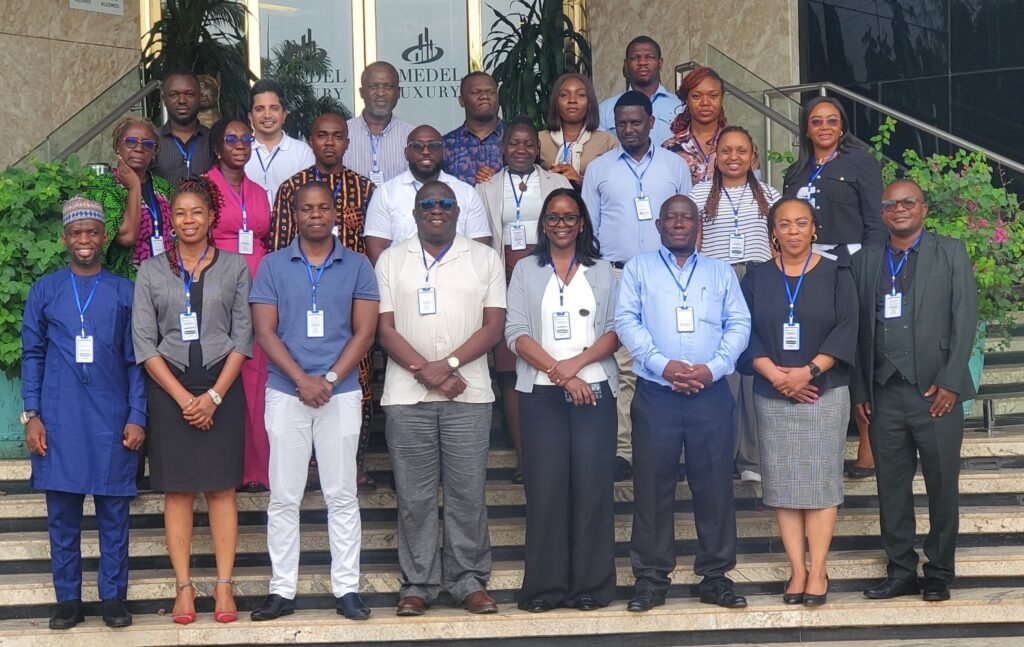
HPRG remains committed to the ideals of Universal Health Coverage (UHC) for Nigeria through the Health Sector Renewal Investment Initiative (HSRII), which is housed under the Renewed Hope Agenda of President Bola Tinubu. As critical friends of the health system, we have presented a synopsis of the sector’s progress and drawbacks for 2025. HPRG extends appreciation to all stakeholders and reaffirms its commitment to advancing evidence-based reforms in 2026. In all, we must build on the progress we have achieved in the following areas:
- use of scientific evidence for decision making
- anticorruption for the health sector
- consolidation and coordination of health partners and aid to eliminate fragmentation and duplication, while transitioning to self-reliant funding for health
- institutionalising and decentralising the culture of multisectoral actions for health
At the same time, we must radically address drawbacks such as:
- de-escalating and effectively regulating the operations of informal health providers
- address supply issues in formal healthcare delivery, including insecurity experienced by health facilities
- make public financial management time-bound, predictable, transparent, and accountable
- incrementally expand tax-funded basic minimum package of health services to the poor and vulnerable
- ensure that health services, outcomes, and health system performance are recognised as crucial determinants during elections
Our team wishes all health sector players, including health service users, a Merry Christmas and a Happy New Year!
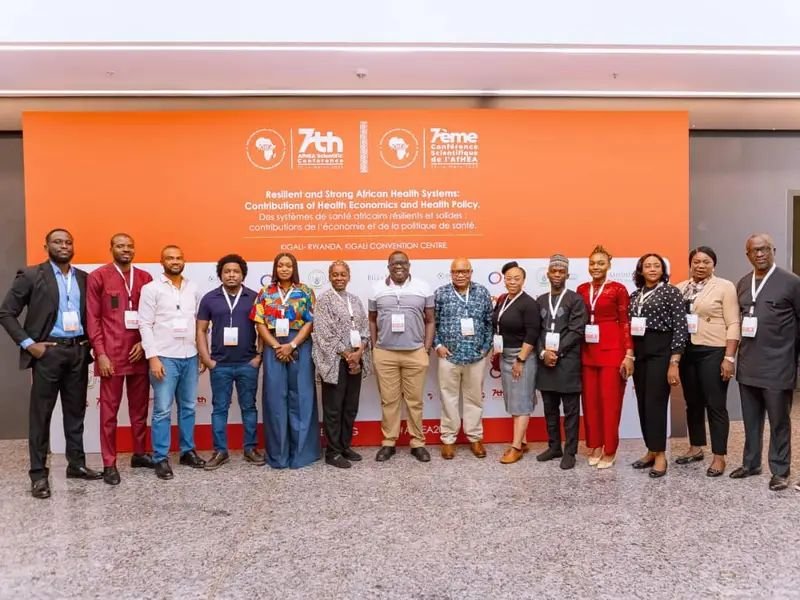
Professors Obinna Onwujekwe & Benjamin Uzochukwu (On behalf of the Health Policy Research Group, University of Nigeria)
Contributors: Professor Chinyere Mbachu, Ass. Prof Enyi Etiaba, Dr AbdulMuminu Isah, Ifunanya Agu, Chinelo Obi, Onochie Eze, Iheomimichineke Ojiakor, Okechukwu Ozor, Dr Chinazom Ekwueme, Dr Aloysius Odii, Dr Ugenyi Iloabachie, Dr Pamela Ogbozor, Dr Chinyere Okeke, Dr Charles Orjiakor, and Dr Prince Agwu
Acknowledgement: We thank all our funders, partners, and collaborators for an eventful 2025 and look forward to the good work in 2026.
Contact: obinna.onwujekwe@unn.edu.ng Cc: prince.agwu@unn.edu.ng
How to cite: Health Policy Research Group (2025). HPRG’s health sector 2025 roundup: evidence, knowledge, & politics of reforms. https://hprgunn.com/hprgs-health-sector-2025-roundup-evidence-knowledge-politics/
You can enjoy the top three most-read HPRG’s Blogs in 2025:
HPRG’s blog corner is ranked 17th among Nigeria’s best 35 health blogs by FeedSpot.