Over half of Nigeria’s urban population lives in slums, commonly called “ghettos”. These areas are home to society’s poorest and are characterised by poor hygiene and crime. It is encouraging to see slums gaining attention in health discussions, with the emphasis that slum residents deserve unrestricted access to quality healthcare as a fundamental human right.
Recognising this, the CHORUS Urban Health Consortium, active in Bangladesh, Ghana, Nepal, and Nigeria, is working to strengthen resilient health systems to handle the rapid urban population growth in these countries. Nigeria’s urban population is growing by 4% annually and could reach 265 million by 2050, potentially leading to more urban slums if economic and urban planning conditions do not improve.
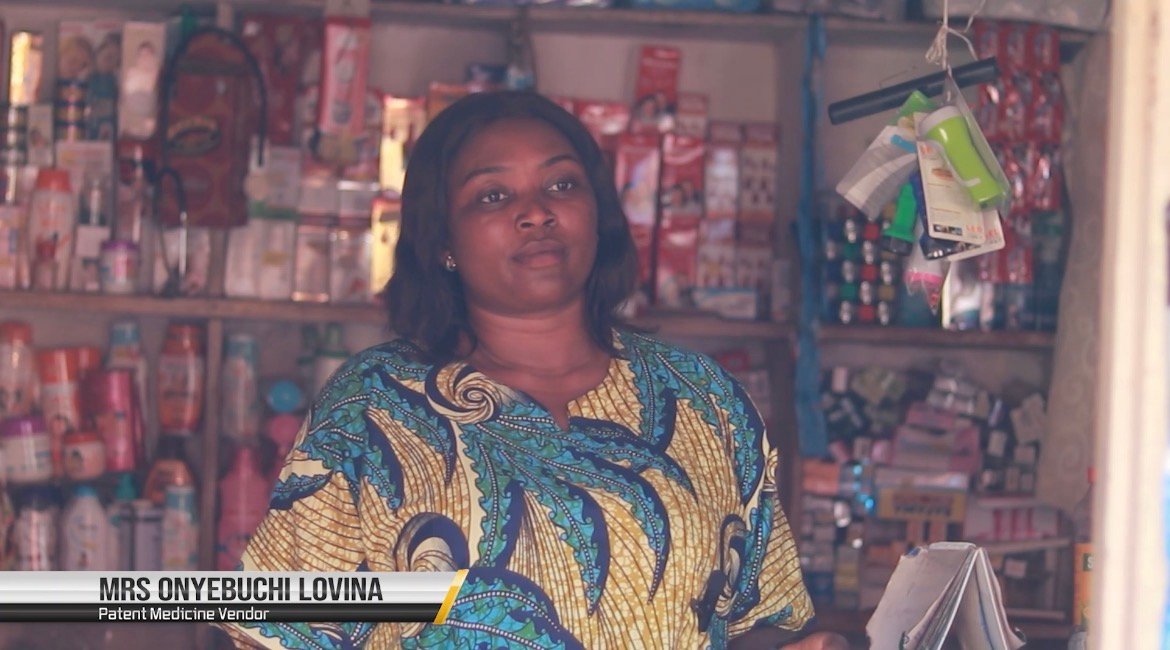
The rapid urban growth threatens healthcare. In Nigeria’s slums, informal providers like traditional birth attendants, patent medicine vendors (chemists), bone setters, and herbalists, many of whom operate outside consistent quality control, have become trusted providers of healthcare. They fill the gap left by weak primary health centres and other inaccessible formal health services. Therefore, there is a need to design systems that recognise the thriving reputation of these informal health providers in the slums, while enforcing regulations by connecting them to the formal health system.
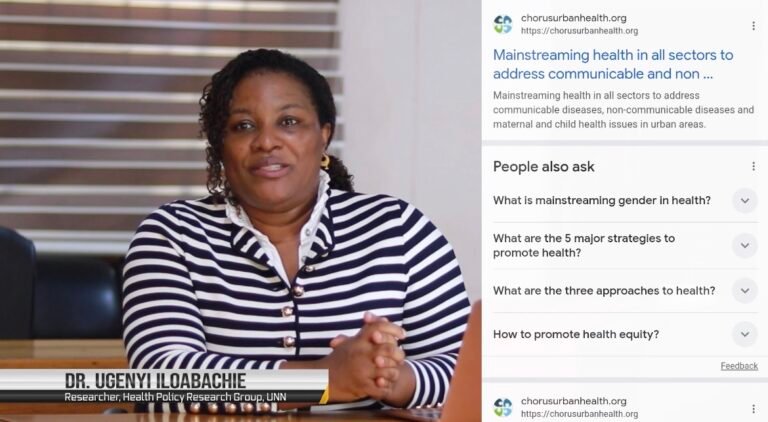
The 8-minute video in this article brings together an urban health researcher, a health policymaker at the Ministry of Health, and a patent medicine vendor to reflect on how the CHORUS Urban Health Consortium and the Health Policy Research Group at the University of Nigeria are working together to integrate informal health providers into the formal health system. With support from the Enugu State Ministry of Health and the Enugu State Primary Health Care Development Agency, they showcase breakthroughs in equipping informal health providers with practical knowledge of referrals, data reporting, healthcare accessories, and quality control measures to ensure that slum residents have access to quality healthcare.
Video cast
Mrs Onyebuchi Lovina – Patent Medicine Vendor
Mr Ayogu Onyebuchi – Urban Health Desk Officer, Enugu State Ministry of Health
Dr Chinyere Okeke – Urban Health Researcher, Health Policy Research Group, University of Nigeria
Video production by HPRG’s Research Communications Unit
Contact: prince.agwu@unn.edu.ng Cc obinna.onwujekwe@unn.edu.ng